How Did Touch Controls Replace Buttons on Slot Games?
Slot machines have evolved dramatically from their humble mechanical beginnings to today's sleek touchscreen slots. One of the most noticeable changes for players and operators alike is the shift from physical buttons—those satisfying clacks and clicks—to touch controls that enable “tap to spin” gameplay. But this transition is far from just swapping hardware. It encapsulates the evolution of automation, game design templates, iconography, and payout mechanics.
The Legacy of Buttons: From Coins to Levers and Buttons
Before we dive into touch controls, let’s take a quick trip back. Early slot machines were purely mechanical devices operated by levers. Players dropped coins, pulled a lever, and the reels spun — displaying icons like fruit symbols and BARs. With the rise of electromechanical machines in the mid-20th century, buttons started to supplement or even replace levers, offering players the choice of quicker spins and convenience.
- Automation via coin mechanisms: Coin insertion was the primary trigger to activate spins, mechanically. The machine’s mechanism read the coin’s presence and allowed the reels to spin.
- Readable outcomes and the three-reel template: The three spinning reels, with clearly visible symbols, made it easy for players to quickly interpret results and payouts.
- Iconography: Symbols like cherries, lemons, and BARs became iconic, helping players instantly recognize gameplay.
Buttons helped modernize the player experience. Instead of pulling a lever, players could “press to spin,” which was less physically demanding and faster. However, the game flow and hardware were still heavily constrained by electromechanical components.
From Electromechanical to Electronic: Paving the Way for Bigger Payouts
Electromechanical slot machines marked a significant bridge between the old and the new. These machines featured complex wiring harnesses and mechanical reels but included electronic components that increased payout possibilities beyond the simple, hard-wired payout tables of earlier models.
Some key changes during this period included:
- Expanded Paylines: Instead of just one horizontal payline, machines started to include diagonal or multiple paylines.
- Larger Payouts: Electronic controls enabled sophisticated calculation of odds and payouts, enticing players with bigger jackpots.
- Multi-coin Bets and Bonus Features: Players could bet varying coin amounts, triggering special bonuses.
Despite these advancements, the tactile feel remained dominated by buttons or levers. The player's interaction with the machine was physical and immediate, but limited to buttons that had to be mechanically integrated into the cabinet.
Mobile Controls and the Rise of Touchscreen Slots
Enter the era of touchscreen slots. With increasing digitalization, casinos and game developers began building slot games for mobile and tablet devices, where touch controls naturally replaced buttons. This transition started in parallel with physical slot cabinets adopting screens and digital interfaces.

The shift to touchscreen and tap to spin controls was driven by several factors:
- Player Familiarity: Smartphones and tablets popularized tapping and swiping, making physical buttons feel outdated.
- Design Flexibility: Touchscreens are programmable interfaces allowing faster theme changes, dynamic buttons, and interactive bonus games.
- Space and Maintenance: Removing mechanical buttons reduces wear-and-tear and maintenance needs on physical slot machines.
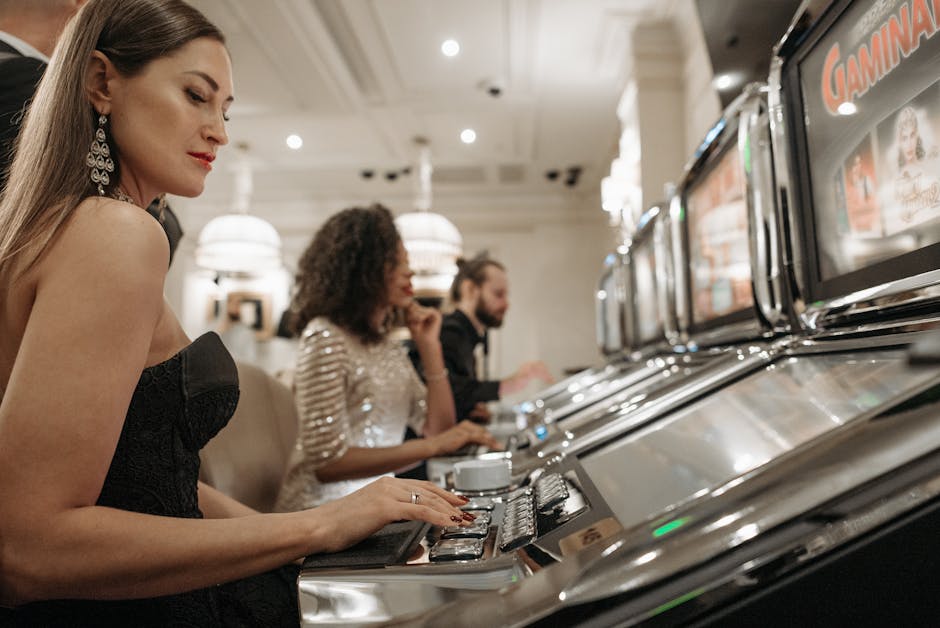
Physical casinos introduced touchscreen cabinets where players tap the reel area or on “Spin” virtual buttons on a screen. Simultaneously, mobile casino apps incorporated the same tap gestures, bridging the gap between digital and physical play experiences.
How Touch Controls Differ from Buttons
Aspect Physical Buttons Touch Controls Physical Feedback Yes, with clicks and feel Limited to haptic feedback, if any Durability Subject to wear, needs replacement Less mechanical wear, but screen sensitive Customization Fixed button layout Dynamic, can rearrange or animate controls Game Interaction Limited to button function More interactive possibilities (swipes, multi-touch)While touchscreens lose some of the satisfying physicality of button presses, they offer a vast upgrade in interaction, aesthetics, and game complexity.
Iconography Reinvented: Fruit, BARs, and Beyond in the Touch Age
Throughout all these technological changes, iconography has been a consistent thread tying the slot experience together. Fruit symbols and BAR icons—vestiges from 20th-century slot machines—still appear in touchscreen slots, offering nostalgia amid modern graphics.
What changed with touchscreens is how icons are presented and animated:
- Animated Symbols: On digital reels, fruit icons can splat, bounce, or glow, increasing visual engagement.
- Theme Expansion: Slots can easily adopt new themes, but fruit and BAR remain a fallback for traditional play.
- Symbol Interaction: Touch controls sometimes allow players to tap symbols to trigger bonuses or inspect payouts.
The iconic images stay the same in purpose—making slot outcomes instantly readable—but their digital incarnation adds flair and variety.
What Stayed the Same and What Changed
Comparing the entire timeline from lever machines with mechanical reels to modern touchscreen slots, here’s a quick rundown:
Feature Original Slot Machines Touchscreen Slots Player Input Lever pull or button press Tap screen to spin, swipe in bonus games Reels Physical rotating reels with symbols Virtual, animated reels on screen Iconography Mechanical symbols: fruit, BARs, bells Digitally animated traditional icons + new themes Payouts Fixed, often limited by mechanical design More varied, with larger, dynamic jackpot systems Automation Coin-through mechanism and electromechanical parts Fully automated computer software platformsConclusion: Touch Controls and the Future of Slot Gaming
The transition from physical buttons to touch controls on slot machines reflects decades of technological progress blended with careful preservation of game traditions. Automation started with coin mechanisms and electromechanical innovations that enabled more complex payouts and better player readability, anchored by familiar fruit and BAR symbols. Now, touchscreen slots fully embrace digital control, allowing fluid “tap to spin” actions and interactive gaming oddee in casinos and mobile devices alike.
Though touchscreens might lack the tactile thrill of pressing a mechanical button, they open new possibilities for immersive game design and seamless player experiences—while still honoring the visual language and thrill that have made slot games lasting favorites for over a century.