Why Informal Casino Names Can Build Trust Faster
A casino brand has only a moment to make a first impression. On a phone screen, a name may appear beside a search result, an app icon, or a short digital media ad. Before someone reads the terms or checks who operates the site, that name has already suggested something about the experience: formal or friendly, distant or familiar, complicated or easy to approach.
That is why informal casino names can build trust faster. A conversational name can feel more human, be easier to say and remember, and make a brand seem less intimidating. But “faster” does not mean “automatically” or “more.” A name is an opening signal, not proof that a gambling business is safe, fair, or suitable for someone. In a regulated category, a human feel has to be backed by clear information, responsible marketing, and the safeguards required by law.
The strategic opportunity is to use an approachable tone without dressing up risk as entertainment or implying that a friendly brand is inherently trustworthy. Done well, informality helps people understand who is speaking. Done poorly, it can blur the seriousness of gambling or create expectations the product cannot meet.
How Online Casino Naming Has Changed
Early online casinos often relied on names that borrowed from the visual language of traditional casinos: grand hotels, gold, royalty, luck, and spectacle. These names were designed to signal excitement and scale. In a relatively new online market, familiar casino imagery could reassure customers that the digital experience had a recognizable counterpart in the physical world.
As the category grew, brands had more ways to distinguish themselves. Some continued to use aspirational cues—luxury, exclusivity, and high-rolling glamour. Others began to favor shorter, more conversational names that sounded less like a destination and more like a service a person could use on a phone. The shift reflects a wider change in consumer branding: app-first businesses need to be recognizable in a compact interface, easy to search, and simple to share in conversation.
That shift also changes what a name needs to do. It must work in a search engine results page, in digital media, in an app store, and in spoken recommendations. online casino naming guide A name that looks impressive on a billboard may be hard to type correctly into a mobile search bar. A name that feels friendly in conversation may be too generic to find or protect as a distinctive brand.
For a useful point of comparison, consider MrQ. Its short, informal construction feels closer to a conversational label than a grand casino title. That observation is about the name’s style, not a claim about the company’s conduct, safety, or suitability. The broader lesson is that a compact, familiar-sounding name can create an immediate sense of accessibility—while the brand still has to earn confidence through what it does.
Aspirational Branding Versus Approachable Branding
Aspirational naming invites people into an idealized world. It often uses elevated language, references to status, or imagery associated with luxury and achievement. That can be effective when a brand wants to feel premium and theatrical. But in a mobile-first environment, highly ornate language can also feel distant, difficult to pronounce, or overly grand for a routine digital interaction.
Approachable branding takes another route. It favors everyday language, familiar sounds, and a tone that feels easy to address. Its promise is not “become someone else”; it is closer to “this is straightforward to understand.” That difference can matter when a customer is comparing options quickly or trying to figure out what a service offers.
Branding approach Typical naming cues Potential strength Potential risk Aspirational Luxury, status, grandeur, fantasy Creates a vivid, elevated impression May feel distant, overstated, or hard to recall Approachable Short words, everyday language, conversational tone Feels accessible and easy to say May seem generic or too casual for a regulated category Balanced Memorable, clear, distinctive, with restrained personality Combines a human feel with a credible, legible identity Requires careful testing and consistent executionNeither style is automatically better. The relevant question is whether the name sets an accurate expectation for the experience and audience. A relaxed name may help reduce the social distance between brand and customer, but it should not make gambling appear consequence-free, risk-free, or appropriate for everyone.
Why Pronounceability Helps a Name Feel Easier
People process familiar patterns more easily than unfamiliar ones. In branding, this idea is often discussed as processing fluency: when a word is easy to read, pronounce, and recognize, it can feel easier to handle. That feeling may transfer to an initial impression of the brand. It is a shortcut in perception, not evidence that the company behind the name is more reliable.
Pronounceability matters because names move between screens and conversations. Someone may hear a brand in a podcast, see it in digital media, and later try to find it through search engines. If the name is easy to say but ambiguous to spell, or easy to spell but awkward to pronounce, the trail can break. Every extra bit of friction makes discovery and recall less dependable.
That is why I say candidate names out loud twice. The first pass checks whether the name is natural to pronounce. The second helps catch what the first one can miss: whether it still sounds clear when spoken casually, at normal speed, and without a branding presentation around it. I also look at the name in a mobile search bar. Does it fit? Is the spelling obvious? Could autocorrect turn it into something else?
What to test before choosing a name
- Pronunciation: Can people say it after seeing it once?
- Spelling: Can they type it correctly after hearing it?
- Searchability: Does it stand out among similar names and common search terms?
- Mobile legibility: Is it easy to scan in a small interface?
- Meaning: Does it carry an unintended meaning in relevant markets or communities?
- Expectation: Does the tone create an accurate impression of the service?
These checks are practical, but they are not a substitute for legal review. A name can be easy to pronounce and still raise trademark, domain, advertising, or regulatory issues. In a regulated category, strategy and compliance should work together early rather than asking legal teams to approve a finished idea at the last minute.
Memorability Needs Distinctiveness, Not Just Simplicity
Simple names are easier to process, but simplicity alone does not make a brand memorable. A name made from common words may be clear yet difficult to distinguish in a crowded market. Conversely, an unusual spelling may look distinctive while becoming a burden every time someone searches for it or recommends it aloud.
The goal is useful distinctiveness: a name that is easy enough to retain and specific enough to recognize. It should give people a stable mental hook without relying on an elaborate story to explain it. A memorable name can support repeat recognition across search engines and digital media, but it cannot do the work of a clear product description or transparent customer information.

Research on media use and public attitudes can help teams understand the context in which brands appear. Pew Research Center, for example, is a useful reference for broader research on how people engage with technology and digital life. Its work should not be treated as proof that a particular naming style creates trust or predicts gambling behavior. Instead, it can remind brand teams to consider how people encounter information across devices, platforms, and social settings—and to validate naming decisions with research that matches the specific audience and question.
Trust Comes From the Experience Behind the Name
A friendly name can make a first impression feel warmer. Trust, however, is built through repeated evidence. Customers need to be able to understand who operates a service, what rules apply, how money is handled, where to get help, and what protections are available. A casual tone cannot replace those facts.
This distinction is especially important in gambling. The UK Gambling Commission sets standards and regulates gambling in Great Britain, with requirements that apply to the operators and activities within its remit. A name or logo should not imply that a business is endorsed by the regulator, and brands should be careful to describe licensing and compliance accurately. Regulatory status, responsible gambling measures, and terms should be communicated plainly rather than hidden behind reassuring language.
“Trust us” is a weak message when it is not tied to anything a customer can verify. More useful signals include accessible terms, clear explanations, visible support routes, transparent payment information, and responsible gambling tools presented where people can find them. The brand’s voice should make those details easier to understand—not distract from them.
How an approachable identity can support clarity
- Use plain language for terms, eligibility, and account information.
- Keep responsible gambling guidance visible and understandable.
- Explain the operator’s identity and relevant regulatory information accurately.
- Avoid claims that imply guaranteed wins, risk-free play, or effortless income.
- Make support options easy to find on mobile, not just on desktop.
These are experience principles, not reasons to assume that any one company meets them. Customers should assess the operator and its disclosures directly. A human feel can make it easier to start that assessment, but the substance has to be there once someone looks closer.
How to Build an Informal Name Responsibly
For naming teams, the strongest informal names balance familiarity with a clear boundary. They can sound warm without pretending to be a friend, and playful without suggesting that gambling is harmless. The process should include people beyond the creative team, especially legal, compliance, customer support, and research stakeholders.
- Define the intended impression. Decide whether the name should feel simple, lively, calm, or conversational. Avoid vague goals such as “make it trustworthy” unless the team can explain what the name should communicate and what evidence will support the wider brand promise.
- Generate options with different levels of informality. Compare short, everyday names with more aspirational candidates. This helps reveal whether the brief is genuinely seeking approachability or simply reacting against competitors.
- Test speech and spelling. Ask people to read each name, say it aloud, and later type it from memory. Note where pronunciation differs or spelling becomes uncertain.
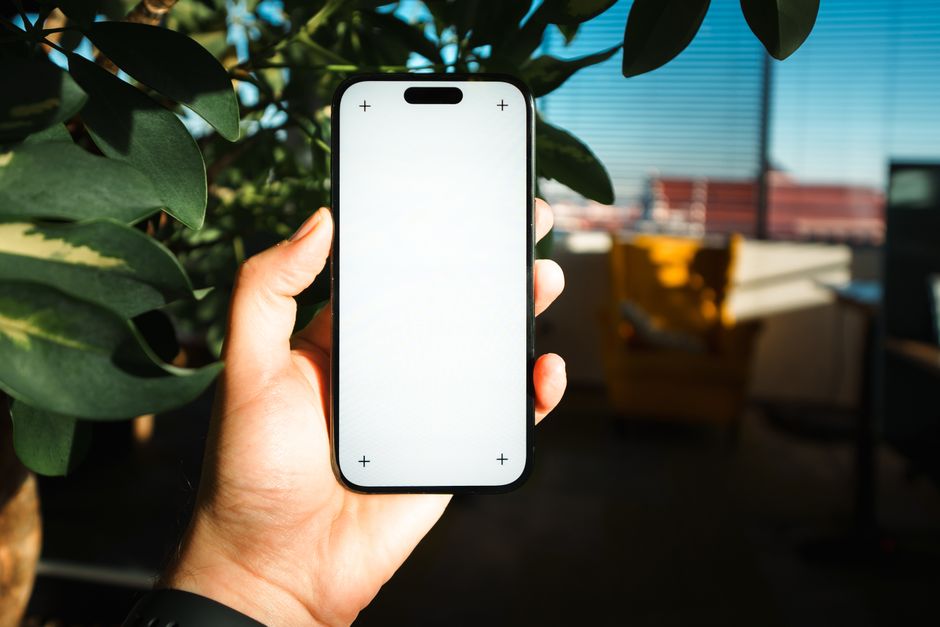
- Check the mobile context. View the name in a search bar, a small app listing, and a narrow screen. The name should remain legible and easy to recognize without relying on a large logo.
- Review distinctiveness and legal availability. Search for similar brands and relevant marks, then involve qualified legal counsel. Availability and risk depend on jurisdiction and use; a quick web search is not clearance.
- Evaluate the expectation it creates. Ask whether the name could make a serious service seem trivial or suggest benefits the business cannot promise. Adjust the tone if the answer is yes.
Testing should also distinguish between liking a name and understanding it. A participant may say a candidate is fun or memorable but still be unable to spell it, identify the brand later, or explain what it represents. Those are different outcomes, and each matters in a different way.
The First Impression Is a Starting Point
Informal casino names can build trust faster in a limited but meaningful sense: they can reduce the distance between a brand and a person at the first encounter. A pronounceable, memorable name may feel easier to approach, particularly when someone sees it briefly on a phone or hears it in conversation. That human feel can make a brand easier to recognize and search for.
But first impressions are not the same as earned confidence. In gambling, a friendly identity must sit alongside clear disclosures, accurate regulatory communication, responsible marketing, and visible support. The best name is not necessarily the most casual or the most glamorous. It is the one that is easy to say, easy to find, distinct enough to remember, and honest about the experience it represents.
That is the practical standard: make the name approachable, make the claims verifiable, and make the experience worthy of the first impression.